About
B-17
B-17, Amygdalin & Laetrile
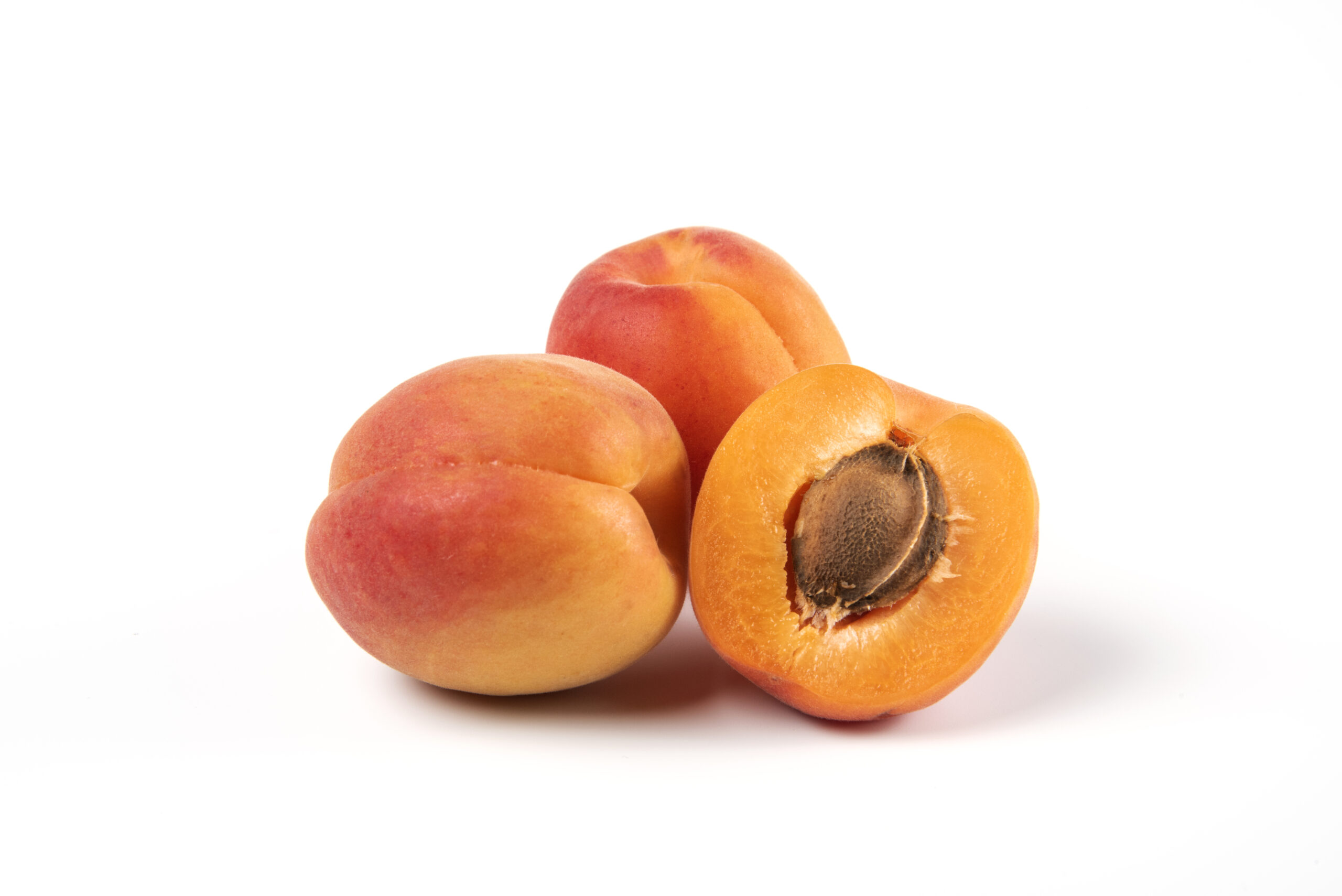
Amygdalin is a natural substance that is found in raw nuts like almonds and the seeds and kernels of many fruits, particularly apricots. It is also present in Lima beans, clover, sorghum and many other things.
Vitamin B-17 is extracted from the natural substances above and is considered a food component. * Food components that are natural, non-toxic, water- soluble and compatible with human metabolisms. They are are called vitamins.
Although B-17 is not illegal in the United States, making claims of any health benefit has been prohibited by the FDA.
Laetrile is the concentrated, purified extract form of Amygdalin, developed for use in a laboratory.
Laetrile IV therapy and laetrile pills are illegal in the United States.
History of B-17
Chinese doctors allegedly used apricot seeds 3,500 years ago for the treatment of tumors. Dioscorides of Anazarbos, Greece, 2000 years ago was the first to document and extract from apricot seeds.
Nitrilosides were “rediscovered” in 1920 by a California physician by the name of Ernst Krebs. He was experimenting with flavorings for bootleg whiskey. His son, Dr. Ernst Krebs, Jr., came up with the name “laetrile” after he purified the extract. He also identified Amygdalin as a food component, thus making B-17 a legal vitamin.
Laetrile has been described as a parcel that contains poisons that are only released once the parcel is unwrapped. The safety of laetrile was demonstrated in an experiment with mice at Memorial Sloan Kettering Cancer Center in New York during the late 1970’s. For thirty months, mice were injected daily with laetrile at a rate of 2 grams per kilogram of body weight (equivalent to giving a human a quarter pound a day!). At the end of the period, the mice that were given the laetrile were healthier and exhibited greater well-being than the group that did not get any laetrile.
Interestingly, many times tumors treated with B-17 do not get smaller, so the question of lack of tumor regression is sometimes brought up as evidence that Amygdalin or B-17 is ineffective. The reason for this is the fact that tumors are known to not exist as totally consisting of tumor cells. They are a mixture of cancer and normal cells. The normal cells are not killed by the B-17 so the tumor does not necessarily, decrease in size, so they can become benign.
In our clinic we administer vitamin B-17 intravenously. We use it in our 3 & 4 week cancer bootcamp protocols.
When our patients go home they continue taking it daily by mouth.
How it works
A molecule of Amygdalin consists of a unit of benzaldehyde, a unit of hydrogen cyanide, and two units of glucose.
The Amygdalin is broken down, inside the cancer cell by an enzyme called beta glucosidase, into its constituent parts.The benzaldehyde and the cyanide both become toxic, but only inside the cancer cells. This therapy remains non-toxic to the rest of the body.